




We provide cost-efficient, agile expertise in Industrial Performance & Commercial Development Internationally
We help manufacturers to develop internationally while increasing their profits by improving their industrial performance
SNECI is the global leader in improving industrial and commercial performance internationally.
With roots in the automotive industry, a true industry of excellence, we apply our expertise across industries, from pharmaceuticals to railways and aeronautics, energy and luxury.
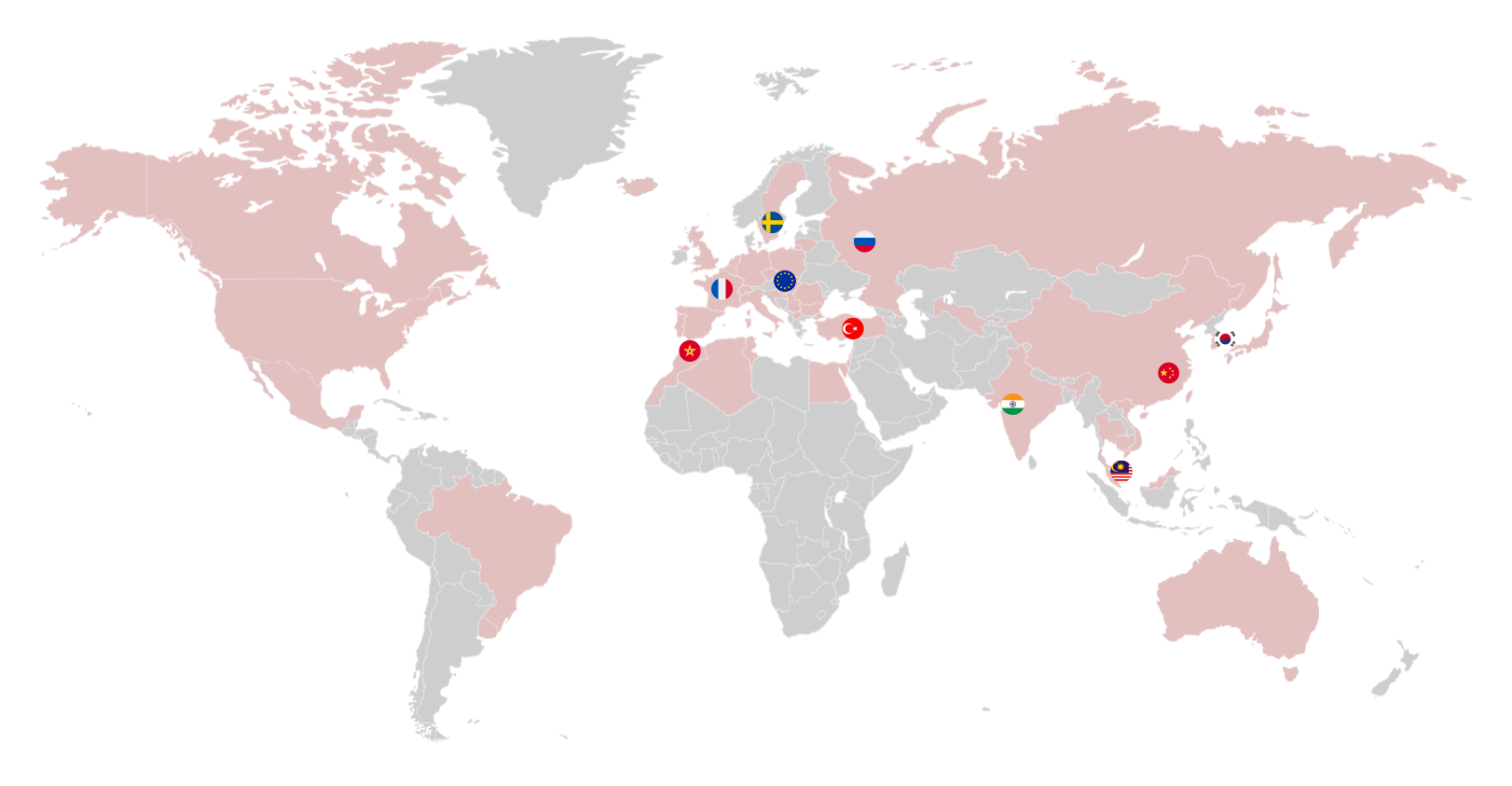
With our own offices in ten countries, we understand and resolve issues linked to international development, providing local solutions to our industrial customers.
As a family-owned company focused on the success of our clients, our teams are experts in their fields, following each project with the greatest attention, from winning new markets to setting up your industrial operations.
SNECI is an award winning ISO 9001:2015 and ECOVADIS Silver for our CSR approach.
Find Out More About SNECI
We are SNECI. An international family-owned service and consulting company with 70 years of experience in many industries. Through our global presence, with offices in 10 countries, we serve over 400 industrial companies worldwide. Our mission: to improve the industrial and commercial performance of our clients internationally.
THEY TRUST US
I took part in MMOG/LE training module organized in our sister Valeo plant in Poland. The training content was clear, well structured and rich in…
The Hungarian Investment and Trade Agency (HITA) mandated SNECI to train their Hungarian Automotive Tier-1 to Tier 2 Suppliers. Seminar Objectives: To give local suppliers…
After successfully finishing the course of Lean Production I can honestly say that I’m deeply satisfied with theory behind “Lean Way”. Curriculum was intensive, however…
It was the second time I participated in an MMOG/LE training session but the first one cannot be compared in terms of quality with the…
Perhaps this is one of the most effective trainings in my practice. A relaxed atmosphere and a truly interactive format helped me to consume a…
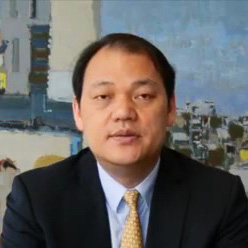
Hello everyone! I am a SNECI partner from China. My name is JingCai LIN, Managing Director of Ningbo Zhongjun. I am very pleased to…
The APQP process is very known to Arkal as it is the common framework of procedures and technics used to develop part in the automotive…
I was able to verify the relevance of SNECI training during a recent project launch meeting with a French OEM. We now have a good…
As a new supplier of Renault, the logistics performance of our plant was evaluated based on MMOG/LE tool. After the first audit several criteria were…
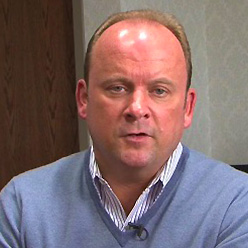
Hello, I’m Fred Bentley, President and COO of Hayes Lemmerz International. Isabelle Bailly, President of SNECI, recently asked me to spend a few minutes talking…
Dear SNECI partner Once more I would like to thank you for all support and assistance “24 hours” you gave to me/Fupresa during my stay…
Join our 400+ customers
In automotive


Other Industries





Our network of trusted partners


OUR VALUES

Initiative and Tenacity

Relationship building

Stretching yourself

Collective engagement